Santorini Wine Guide
Vinsanto: Santorini's Amber Treasure
Vinsanto is Santorini's naturally sweet amber wine: sun-dried Assyrtiko-led grapes, slow-fermented and barrel-aged for years — often decades — into flavors of apricot, caramel, coffee, and sea salt, kept vivid by volcanic acidity. The name is the island's own ('Vino di Santorini' in Venetian trade), predating Tuscany's similarly named Vin Santo.
By Nikolas, traditional Santorini winemaker · Updated:
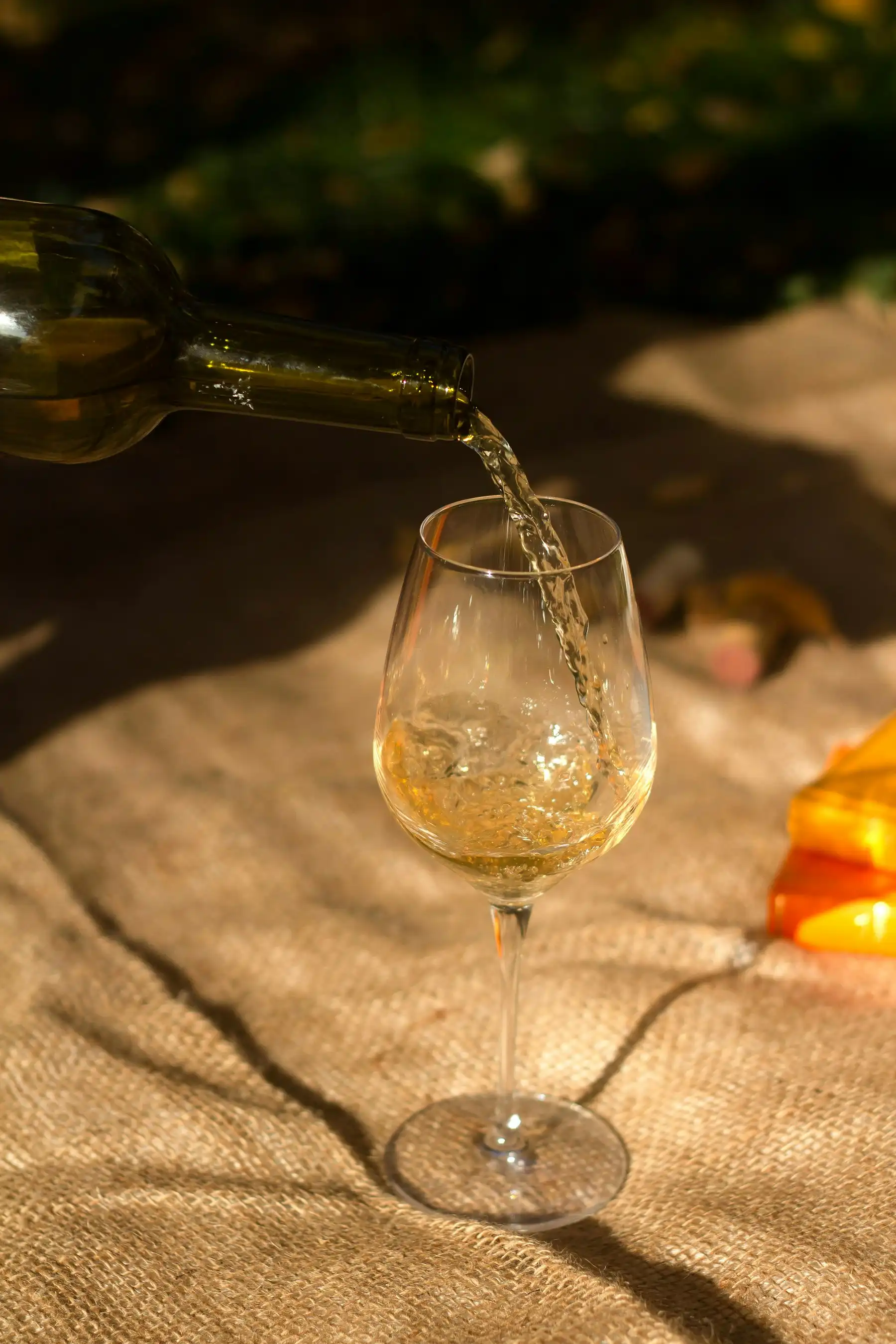
Sunlight, concentrated
Every August, while the island’s dry grapes race to the press, a portion of the harvest takes a detour: spread on mats under the open sun for one to two weeks, shriveling toward raisin, concentrating sugar, acid, and everything else that matters. What ferments afterward — slowly, sometimes for months — is a wine the color of dark honey that then disappears into old barrels and stays there: four years minimum by tradition and law for the entry level, and at the great houses, ten, fifteen, twenty and more.
The result pours like liquid amber and tastes like the inside of a very old, very good idea: dried apricot, fig, caramel, espresso, orange peel, and — this is the Santorini signature — a saline, citrus-bright lift underneath the sweetness. That’s Assyrtiko’s volcanic acidity refusing to surrender, and it’s what separates Vinsanto from the world’s merely sweet wines: the finish cleans itself. You reach for the glass again.
How is Vinsanto actually made?
The paragraph above is the postcard; here is the slow-motion replay, because every stage shows up in the glass.
The fruit. Vinsanto starts as ripe, Santorini’s flagship white grape — bone-dry and mineral, all lemon, flint, and sea-spray salinity, with acidity that lets the best bottles age for two decades. Pronounced ah-SEER-tee-ko.-led bunches from the same ungrafted volcanic vineyards that give the island its dry whites. Picking begins with the August harvest, and the parcels destined for sweet wine stretch the season past the dry-wine rush — the same weeks our Harvest Days guests spend in the vineyards.
The sun. The defining act is drying in the open air: mats under direct Cycladic light, not the sheltered indoor drying of Tuscany’s Vin Santo tradition. As the berries shrivel, sugar concentrates — but so does acidity, and that second concentration is the whole secret, the guarantee built in at the start that all the coming sweetness will land clean.
The ferment. Juice this dense ferments at a crawl, weeks stretching toward months, and when the yeast finally gives out, the wine is sweet the honest way. Nothing fortified, nothing added: the residual sugar is simply sunlight the fermentation couldn’t finish.
The wait. Then old barrels in cool volcanic cellars, and a minimum of four years by law and custom before release — the great houses go decades further. Sugar and acid happen to be natural preservatives, which is how Vinsanto once survived months at sea en route to Russian church cellars, and why it shrugs off barrel time that would exhaust an ordinary white.
The name Italy borrowed
Here’s the history your dinner table will enjoy. In the centuries when Venice ran Aegean trade, the island’s celebrated sweet wine shipped across Europe and the Orthodox world labeled by origin — Vino di Santorini, contracted to Vinsanto. Tuscany’s similarly named Vin Santo (“holy wine,” per its folk etymology) is a different tradition entirely: different grapes (Trebbiano, Malvasia), indoor drying, often an oxidative sherry-adjacent profile. When the naming collision finally reached European regulators, the evidence favored the island — Santorini’s Vinsanto holds protected status, written as one word, and the historical record of the name traces to the trade routes, not the church. Tuscany kept its two-word tradition; the island kept the receipts. Our history chapter tells the longer version, Russian tsars and communion chalices included.
Reading a Vinsanto label
Age is the axis of everything. The 4-year entry tier shows apricot and honey with youthful brightness — the picnic Vinsanto, and the smart €-for-flavor buy. 8–12 years brings caramel, coffee, and density; the wine turns from golden to mahogany. 15–20+ year releases and single-vintage old bottlings reach into molasses, walnut, and salted-toffee depths that put them, blind, against fine Sauternes and old Madeira — comparisons the trade increasingly makes out loud. Producers to chase: Estate Argyros (the island’s benchmark verticals), Santo Wines (remarkable aged value at co-op scale), Art Space (tiny cave-aged lots), and Canava Roussos (the 1836 house that helped define the tradition).
What should you eat with Vinsanto?
Most sweet wines get one dessert course and a polite goodbye. Vinsanto works a longer shift, and the reason is that acidity riding under the sugar: each sip closes clean instead of cloying, so the wine can carry a whole cheese course — or a long conversation — without wearing out your palate.
Start with the island’s proof-of-concept, baklava: pastry and wine trading honey, nuts, and caramel back and forth until it’s hard to say which is seasoning which. From there, work outward. Blue cheese is the sommelier’s move — salt against sweetness, each side sharpening the other. Dark chocolate reaches straight into the wine’s espresso-and-caramel register. Dried figs are almost cheating, since a mature Vinsanto already tastes of them. And crème brûlée matches burnt sugar to barrel caramel so neatly it feels pre-arranged.
You can test the theory without booking a dinner: our Caldera Classic ends its final flight on an aged Vinsanto at Santo’s The flooded volcanic crater at Santorini’s center, rimmed by cliffs that hold Fira and Oia. Exactly two winery terraces genuinely face it — fewer than the brochures imply. terrace, where the pairing is the view. For the tabletop version at home, everything above works from the same half-bottle across several weeks — one more argument, as if you needed it, for carrying one home.
How to drink it like you live here
Serve cool, not cold; small pour, real glass. Have the baklava match once, ideally at a cellar door — but the island’s quiet luxury is Vinsanto as dessert: one glass on a terrace as the light goes amber to match. An opened bottle keeps for weeks refrigerated, which makes the half-bottles sold at every winery the single best gift the island exports. Carrying advice, flight rules, and shipping options live in our FAQ.
The full experience — tasting one wine across three decades of vintages, watching time work in a lineup of glasses — is the vertical, and it’s arranged rather than advertised. That’s the second stop of our Private Cellar tour, and for many guests, the single memory the whole trip files under unforgettable.
Good to know
Questions travelers ask
What's the difference between Vinsanto and Italian Vin Santo?
Different wines, tangled names. Santorini's Vinsanto (one word) is sun-dried Assyrtiko-led grapes from volcanic vineyards — the name derives from 'Vino di Santorini' in medieval Venetian trade, and the island holds the PDO. Tuscany's Vin Santo (two words) uses Trebbiano/Malvasia dried indoors, often in an oxidative style. The Greek island's claim to the name is older; EU law now lets both exist.
How should Vinsanto be served?
Lightly chilled — around 10–12°C — in a small white-wine glass rather than a thimble; the aromatics deserve room. An opened bottle holds happily for weeks in the fridge, making it the most forgiving fine wine you'll ever own.
What food pairs with Vinsanto?
Baklava and Vinsanto is the island's canonical dessert pairing — honey, nuts, and caramelized wine in lockstep. It's equally brilliant with blue cheese, dark chocolate, dried figs, or crème brûlée, and locals will tell you a glass alone at sunset outranks every dessert on the menu.
Keep exploring
Related reading
Taste what you just read about
Every fact in this guide comes from the cellars we visit weekly. Join a small-group tour and taste Assyrtiko, Nykteri, and Vinsanto where they're made.