Santorini Wine Guide
Assyrtiko: Santorini's Volcanic White
Assyrtiko (ah-SEER-tee-ko) is Santorini's flagship white grape: bone-dry, high-acid, and intensely mineral, tasting of lemon, flint, and sea salt rather than fruit sweetness. Grown on ungrafted vines up to 200 years old in volcanic ash, it pairs brilliantly with seafood and ranks alongside Chablis among Europe's great mineral whites.
By Nikolas, traditional Santorini winemaker · Updated:
The grape that argues with geography
White grapes in hot climates are supposed to go flabby — sugar up, acid down, freshness gone. Assyrtiko never got the memo. On a treeless volcanic island at Africa-adjacent latitudes, it ripens while keeping — even concentrating — a spine of acidity that winemakers in cooler France would envy. That paradox is the whole story of Santorini wine: a warm-climate white with cold-climate nerves, grown in ash, tasting of stone and sea.
The wine world noticed decisively. Over the past two decades Assyrtiko has moved from “interesting Greek white” to fixture on serious lists worldwide, planted experimentally from Australia to Texas — while everyone agrees the volcanic original remains the reference. When a Santorini bottling — Santo Wines’ Grande Reserve — took 97 points at Decanter in 2025, nobody in the trade called it an upset.
What’s actually in the glass
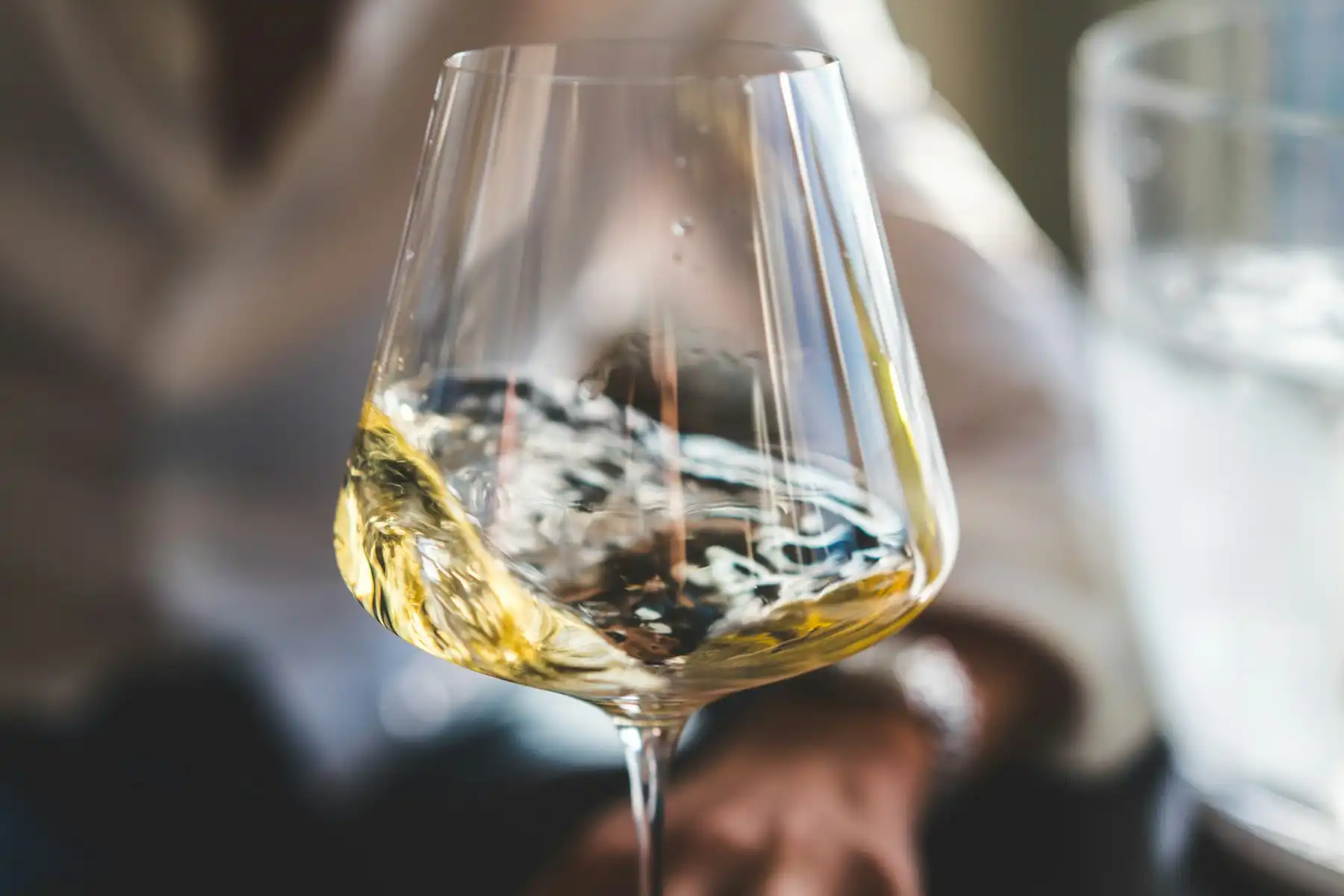
Pour a young Santorini Assyrtiko and the color is pale straw with a green flash. The nose is quiet by modern-white standards — citrus peel, wet stone, a smoky mineral hint — because this grape speaks on the palate: a firm attack of lemon and green apple, unusual mid-weight density (those ancient, low-yield vines), and then the signature — a long, saline finish that tastes the way sea air smells. No oak vanilla, no tropical perfume, no sweetness. It is a wine of tension rather than comfort, which is precisely why it ages: good examples develop honey, beeswax, and petrol notes across ten to twenty years while holding their acid line.
Styles fan out from that core. Stainless-steel bottlings (most common) maximize the mineral cut. Barrel-fermented versions — and the traditional Nykteri style — trade some edge for breadth and spice. Old-vine, single-parcel wines like Estate Argyros’s Cuvée Monsignori or Hatzidakis’s de Louros play in white-Burgundy seriousness territory, prices included.
What does Assyrtiko taste like compared to other whites?
The comparison most first-timers reach for is Sauvignon Blanc, and it’s the wrong one. Sauvignon announces itself on the nose — grassy, exuberant, tropical — and you know everything before the first sip. Assyrtiko inverts that: a quiet nose, then the whole event happens in the mouth — weight, acid, stone, salt. One wine is a perfume; the other is a handshake.
The truer sibling is Chablis. Both are bone-dry and steel-nerved, minerals ahead of fruit, structure ahead of charm — the family resemblance is why the two get named in the same breath among Europe’s serious whites. Put them side by side, though, and the differences turn out to be climate wearing a glass: Assyrtiko runs denser through the middle, saltier at the end, with Aegean sun behind its acidity where Chablis stays lean and northern. Same skeleton, warmer blood.
Two more references calibrate the picture. Muscadet drinkers will recognize the sea-spray finish at once — Assyrtiko simply adds muscle to it. And anyone raised on dry Riesling will feel at home with the acid line, and with how confidently the best bottles ride it across a decade or two of cellaring. What Assyrtiko emphatically is not: a buttery, vanilla-oaked crowd-pleaser. If that’s the register you love, don’t leave the island disappointed — order a Nykteri, the riper, barrel-raised traditional style that delivers the richness while keeping the volcanic spine.
The pairing cheat sheet
Assyrtiko is one of the world’s great food whites because acid plus salt is the universal kitchen solvent. The matches, in ascending order of local wisdom:
- The obvious: grilled fish, octopus, shrimp, oysters — the acid does what lemon wedges wish they could.
- The local: Santorini fava with capers, tomato fritters (tomatokeftedes), white eggplant, grilled saganaki. These grew from the same soil; the pairing predates the word “pairing.”
- The surprising: fried chicken, fish and chips, sushi, and salty cheeses — anywhere fat or salt needs cutting. It’s also one of the few wines that survives artichokes and asparagus with dignity.
- The test: feta drizzled with olive oil. If you don’t understand Assyrtiko yet, this fixes it in one bite.
What other wines does Assyrtiko make?
The dry, steel-raised bottling is the island’s calling card, but Assyrtiko is really three wines wearing one name — and the other two explain half of what gets poured at any cellar door.
Nykteri is the same grape carried to fuller ripeness, picked in the cool of night by a tradition older than refrigeration, pressed within the day, and usually given time in oak. It trades a little of the flagship’s electricity for ripe stone fruit, honeyed breadth, and baking-spice warmth — the Santorini white for people who find the standard bottling austere.
Vinsanto is the amber extreme: bunches dried on mats under the open sun until they’re most of the way to raisins, fermented slowly, then aged a four-year legal minimum — and often decades — in old barrels. Naturally sweet, tasting of apricot, caramel, and coffee, it stays drinkable to the last drop because the grape’s volcanic acidity survives the sunbath intact.
One grape, three registers — electric, sun-warmed, sweet — with the same salt-and-acid signature running through all of them. Taste the trio in a single afternoon and you’ll understand why the island, though it grows other varieties, never needed a second headline act.
Tasting it on the island
Every serious cellar pours Assyrtiko as its opening argument, but the instructive move is tasting across producers in one day — the co-op’s polished breadth, a family A traditional Santorini winery — originally a cave or barrel-vaulted cellar cut into the volcanic rock, where wine was pressed and aged. Many of the island’s modern tasting rooms still sit inside one.’s traditional register, the sea-level salinity at Gaia. That comparative flight is exactly what our Caldera Classic is built to deliver in a morning, and what the wine-and-food day proves at the lunch table. Taste three Assyrtikos side by side and you’ll never again believe that “minerality” is a marketing word.
Good to know
Questions travelers ask
What does Assyrtiko taste like?
Lemon and lime pith, green apple, crushed stone, and a saline finish people describe as 'licking sea rock' — with bracing acidity and almost no perfumed fruitiness. Volcanic-soil bottlings add a smoky flint note. It is emphatically dry; if you like Chablis, Muscadet, or dry Riesling, you're home.
How do you pronounce Assyrtiko?
Ah-SEER-tee-ko, stress on the second syllable. In Greek it's Ασύρτικο. Waiters hear every possible version daily and will forgive yours — but nailing it earns visible respect at cellar doors.
What food pairs best with Assyrtiko?
Anything from the sea is the reflex answer: grilled octopus, sea bass, oysters, fried calamari. On Santorini the classic local matches are fava (yellow split-pea purée), tomato fritters, and saganaki. The wine's acid also cuts fried food and feta better than almost any white on Earth.
Is Assyrtiko like Sauvignon Blanc or Chablis?
Closer to Chablis: both are dry, steely, mineral-first whites with high acid and restrained fruit. Sauvignon Blanc's grassy, tropical aromatics are exactly what Assyrtiko doesn't do. Compared to Chablis, Assyrtiko brings more body, more salt, and a warmer sun behind the acid — Chablis with a tan, as one guest put it.
Keep exploring
Related reading
Taste what you just read about
Every fact in this guide comes from the cellars we visit weekly. Join a small-group tour and taste Assyrtiko, Nykteri, and Vinsanto where they're made.